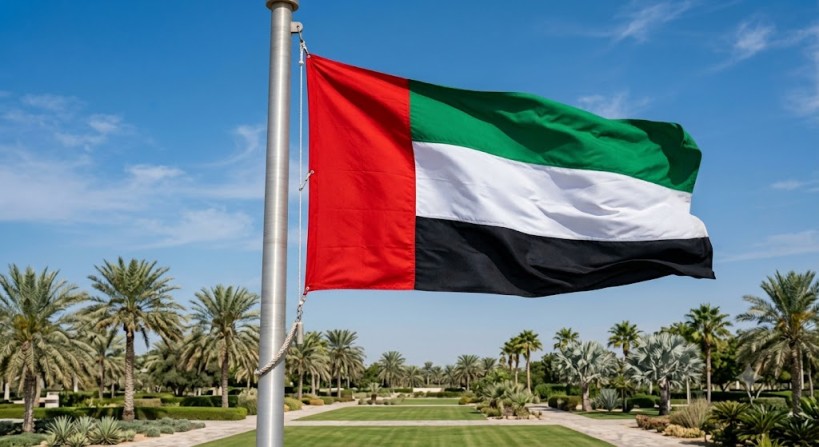
The United Arab Emirates has announced the lifting of its travel ban on Lebanon, allowing Emirati citizens to once again visit the country. This decision comes after a period during which travel was restricted due to concerns over regional security. As a precautionary measure, the UAE Ministry of Foreign Affairs has stipulated that citizens must register via the Twajudi emergency assistance service before their departure. This step is mandatory, as Emiratis will be barred from exiting through UAE border points unless they have completed the registration process.
Initially, the travel restrictions were part of a broader policy affecting travel to multiple countries amidst heightened regional tensions. Emiratis who were already in Lebanon had previously been advised by their government to return home and reach out to authorities for guidance. The easing of these restrictions is seen as a positive development in the relations between the two nations.
Lebanese Prime Minister Nawaf Salam has expressed his approval of the UAE’s decision, interpreting it as a sign of the robust ties between Lebanon and the UAE. He suggested that this move could enhance collaboration and strengthen interpersonal connections between the citizens of both countries.
This development follows a series of discussions aimed at fostering better bilateral relations between the UAE and Lebanon, with a focus on regional stability and security cooperation. High-level talks have taken place between UAE President Sheikh Mohamed and Lebanese President Joseph Aoun, where they deliberated on initiatives to promote peace and deepen the relationship between their nations.
The timing of the UAE’s announcement is notable, as it occurs shortly after Lebanon and Israel reached a framework agreement intended to facilitate peace efforts. This diplomatic progress has been well-received by regional partners, who are supportive of the ongoing efforts to enhance diplomatic relations and establish lasting peace in the region.