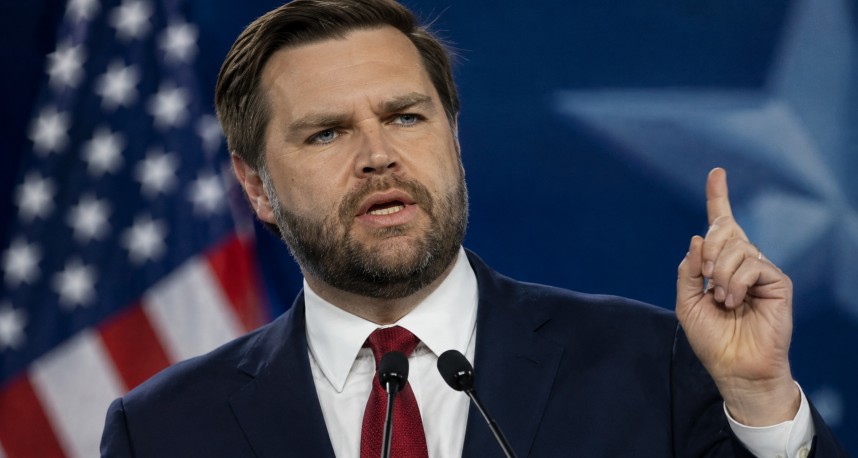
In a recent podcast discussion, Vice President JD Vance suggested that certain officials within the Israeli government have made attempts to sway American public opinion against a US-endorsed agreement designed to resolve tensions with Iran. Vance expressed his belief that these Israeli figures were keen on prolonging the military campaign, thus influencing political sentiment in the United States to oppose the deal. He noted that while it is not uncommon for countries to try and impact US policies, it becomes worrisome when such influences interfere with American decision-making processes.
The agreement, which was concluded last month, aims to bring an end to hostilities with Iran while simultaneously imposing restrictions on Israel’s military activities involving Hezbollah in Lebanon. Vice President Vance stood by the accord, asserting that it serves the strategic interests of the United States. He underscored the significance of maintaining autonomy in shaping foreign policy, highlighting the necessity for independent decision-making in international relations.
Vance’s comments come in the wake of his previous criticisms directed at Israel for its opposition to the deal with Iran. Despite these remarks, the White House has clarified that both President Donald Trump and Vice President Vance are in agreement regarding the administration’s current strategy towards the ongoing conflict. This alignment indicates a unified front in the US administration’s approach to the Middle Eastern issue.
At the time the remarks were made public, there had been no official response from Israeli authorities addressing the Vice President’s assertions. The silence from Israeli officials leaves questions about how these allegations might impact future diplomatic interactions between the two nations, particularly in the context of ongoing Middle Eastern geopolitics.