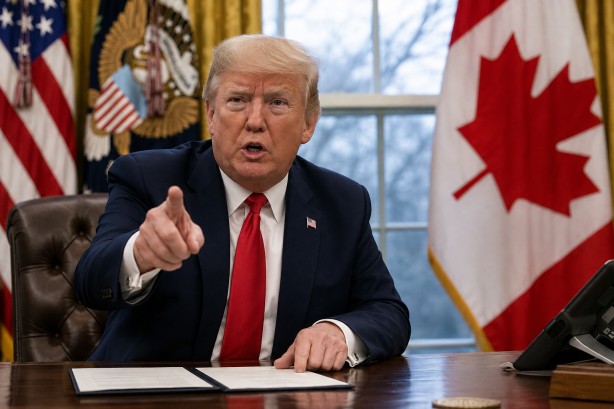
Tensions between the United States and Canada have intensified as President Donald Trump has launched a verbal attack on Canada following the collapse of trade negotiations. This breakdown has further fueled the ongoing trade dispute between the two North American neighbors.
The United States has enacted a 50% tariff on approximately $20 billion worth of Canadian imports, affecting a diverse array of products. In response, Canadian Prime Minister Mark Carney has vowed to implement equivalent tariffs, asserting that Canada will not concede to the conditions outlined by Washington.
Characterizing the situation as a trade war, Carney accused the United States of waging an economic assault on Canada. Meanwhile, U.S. Trade Representative Jamieson Greer defended the imposition of tariffs, arguing they are essential to safeguarding American workers and the integrity of supply chains.
The conflict has sparked concern among businesses and lawmakers on both sides of the border. Canadian business organizations have warned that the tariffs could lead to substantial revenue losses for exporters and small enterprises. Concurrently, U.S. legislators from states adjacent to Canada have expressed apprehension that the tariffs may elevate expenses for businesses, farmers, and consumers alike.
Canada’s retaliatory tariffs are slated to commence on September 8, targeting products such as steel, dairy items, appliances, and electronics. This escalating tension also casts doubt on the future of the US-Mexico-Canada trade agreement, which plays a pivotal role in regulating a significant portion of trade throughout North America.