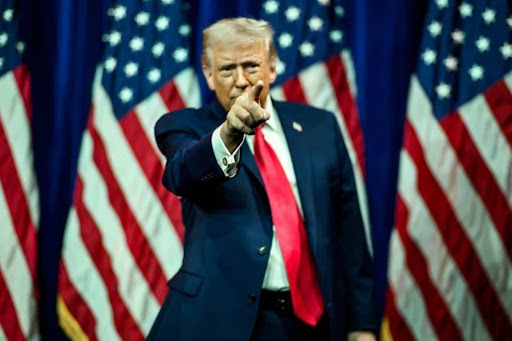
With the Middle East conflict showing no signs of cooling, President Donald Trump issued what may be his starkest warning yet to Iran, posting on Truth Social that negotiations must get serious “before it is too late.” Trump claimed Iranian diplomats were secretly eager for a deal while publicly maintaining an air of indifference toward Washington’s ceasefire proposal. The president’s words carried a clear message: the moment for diplomacy is finite.
Washington’s ceasefire plan encompasses 15 points, including the normalisation of Iran’s relationship with the global economy through sanctions relief, the termination of its nuclear weapons programme, constraints on its missile systems, and the unimpeded passage of shipping through the Strait of Hormuz. Iran’s rejection of these terms has been a major stumbling block, even as American officials express belief that a deal remains attainable.
Iran’s alternative terms, floated through state television, centre on security guarantees and financial compensation. Tehran wants assurances that its officials will not be targeted, that no future military campaign will be launched against it, that it will receive reparations for destruction caused by the war, and that its sovereignty over the Strait of Hormuz will be formally acknowledged. These demands reflect deep Iranian distrust of American intentions.
The human devastation wrought by the conflict is extensive. More than 1,500 Iranians have died, and casualties in Lebanon have reached nearly 1,100. Dozens of deaths have occurred in Israel, and the United States has lost 13 service members. Millions of civilians in both Iran and Lebanon have been displaced, adding a humanitarian dimension to an already complex crisis.
Trump’s escalating rhetoric underscores the fragility of the current diplomatic moment. The suggestion that events could reach a point of no return adds weight to calls from international observers for both parties to accelerate talks. Whether Iran will respond by adjusting its public position — or dig in further — will shape the trajectory of a conflict that has already claimed thousands of lives.