
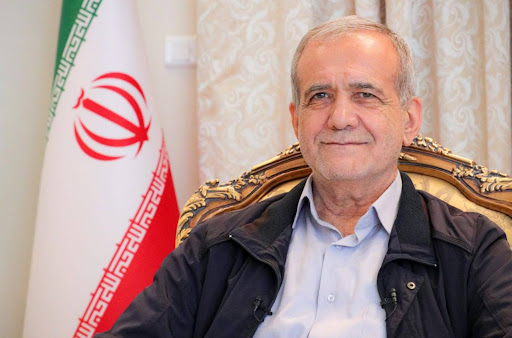
As international diplomatic efforts to end the Iran-US conflict intensify, Iranian President Masoud Pezeshkian’s warning to Gulf nations has grown louder and more insistent. His post on X urged Gulf governments to stop hosting American and Israeli war operations, warning that their security and development are directly at risk. The louder warning comes alongside a flurry of diplomatic activity centered on Pakistan’s growing mediation role.
Gulf nations including Saudi Arabia, the UAE, Kuwait, Qatar, and Oman have been drawn into the conflict through US military installations on their soil. American forces have conducted strikes against Iran from these bases, drawing Tehran’s retaliatory fire into Gulf territory. The growing regional impact of the conflict has made international diplomatic efforts increasingly urgent and necessary.
Pezeshkian confirmed that Iran’s military posture is defensive and retaliatory, not preemptive. He warned Gulf governments that the price of hosting enemy operations is ongoing exposure to Iranian retaliation. His louder warning reflects growing frustration with Gulf inaction and a desire to force these governments into a more decisive stance on the conflict.
Pakistan’s international diplomatic efforts have been gaining momentum. Prime Minister Shehbaz Sharif confirmed that Pezeshkian told him trust is the non-negotiable foundation for peace talks. Pakistan has organized a significant multilateral ministerial meeting in Islamabad with the foreign ministers of Saudi Arabia, Egypt, and Turkey to discuss de-escalation strategies.
Pakistan’s Ishaq Dar will lead the discussions and facilitate meetings with Prime Minister Sharif. Iran has praised Islamabad’s mediation as constructive and meaningful. The intensifying international diplomatic effort, combined with Iran’s growing pressure on Gulf states, creates a complex and rapidly evolving landscape in which the path to peace may finally be emerging.