In a strategic move to safeguard its oil exports from potential disruptions, the United Arab Emirates (UAE) has unveiled plans to complete a new oil pipeline that will bypass the Strait of Hormuz by the coming year. This announcement comes as the blockade of the critical maritime passage, which previously facilitated the flow of 20% of the world’s oil and seaborne gas, reaches its 11th week. The blockade, a result of the ongoing conflict involving Iran, has significantly driven up global energy prices and strained economies in the Gulf region.
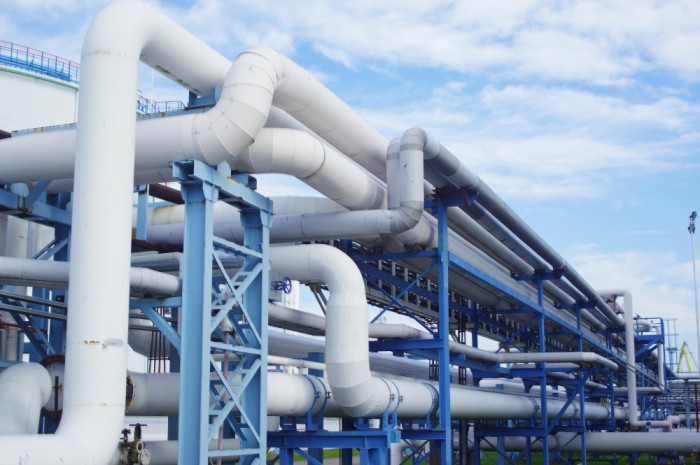
Abu Dhabi’s crown prince, Sheikh Khaled bin Mohamed bin Zayed Al Nahyan, has instructed the state oil company to accelerate the development of this previously unannounced project. The aim is to have the pipeline operational by 2027, allowing oil transport from the UAE to the port of Fujairah. This new infrastructure will enhance the UAE’s export capacity, doubling the current capacity of the Habshan-Fujairah pipeline, which currently has the ability to transport up to 1.8 million barrels of oil per day to the Gulf of Oman.
The urgency of this project is underscored by recent events, as the existing pipeline has been pivotal for the UAE in maintaining its oil exports after Iran obstructed tanker passage through the Strait of Hormuz, following military actions by the US and Israel on February 28. Among Gulf producers, only the UAE and Saudi Arabia possess pipelines that enable crude exportation beyond the narrow channel flanked by Iranian and Omani territories.
The UAE’s decision to expedite this second pipeline follows its recent withdrawal from OPEC, marking the end of a 60-year membership and highlighting a growing rift with Saudi Arabia, the cartel’s dominant force. This exit is anticipated to provide the UAE, OPEC’s third-largest oil producer, with the flexibility to increase its oil output beyond the quotas the group may impose once the conflict concludes and normal trade through the Strait of Hormuz is restored.
While the specifics of the new pipeline’s capacity remain undisclosed, the potential doubling to 3.6 million barrels a day would significantly elevate the UAE’s export capabilities, nearing Saudi Arabia’s capacity of approximately 7 million barrels a day. This development positions the UAE to expand its oil exports regardless of the ongoing conflict’s duration or any peace agreements that may not fully restore pre-crisis levels of tanker traffic through the vital strait.