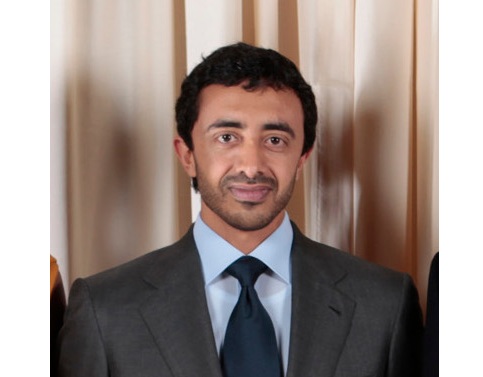
In a recent phone call with Kuwaiti Foreign Minister Sheikh Jarrah Jaber Al Sabah, UAE Deputy Prime Minister and Minister of Foreign Affairs Sheikh Abdullah bin Zayed denounced Iran’s missile and drone assaults on Kuwait. Labeling these attacks as acts of terrorism, the UAE’s foreign minister sought to address the rising tension in the region and expressed serious concern over the security implications of these events.
This dialogue between the two officials comes on the heels of Kuwait’s confirmation that its air defense systems successfully intercepted the incoming threats, which included both missiles and drones. Kuwaiti authorities assured the public that the explosions heard were due to these successful interceptions, alleviating fears of direct impact on the nation’s infrastructure or populace.
Sheikh Abdullah reiterated the UAE’s unwavering support for Kuwait, emphasizing that the security of Kuwait is fundamentally tied to that of the UAE and the broader Gulf region. The UAE’s backing underscores a collective regional commitment to maintaining stability and countering threats that could disrupt peace in the Gulf.
These developments unfold as diplomatic negotiations between the United States and Iran continue. Although US representatives have reported progress, any potential agreements remain tentative, pending final confirmation. Simultaneously, the geopolitical landscape is further strained by disputes over maritime security in the Strait of Hormuz, with Iran condemning recent US comments on shipping practices as violations of international standards.
The UAE’s condemnation of Iran’s actions and its support for Kuwait highlight the increasing anxiety over regional security. As diplomatic efforts are pursued in parallel with rising military tensions, Gulf nations remain vigilant in safeguarding their sovereignty and stability in an unpredictable geopolitical climate.